Blog
Dozer Sizes Explained: How to Choose the Right Machine for Your Job
November 18, 2026Dozer sizes range from compact machines for lighter grading to large crawler dozers built for major earthmoving. The right size depends on how much material you need to move, the ground conditions and the space available.
For most contractors, operating weight, blade capacity and traction matter more than horsepower alone. A larger dozer can push more material, but it also needs enough working room and suitable ground.
What are the main dozer size categories?
Dozers are commonly grouped by operating weight, although manufacturers don’t use one universal classification.
These ranges are general guides, not fixed industry standards. Actual machine capabilities depend on the model, blade and undercarriage.
A smaller dozer may suit a confined site, while a medium machine can be a better choice for moving larger amounts of soil across open ground.
How do the CASE 650M and 850M compare?
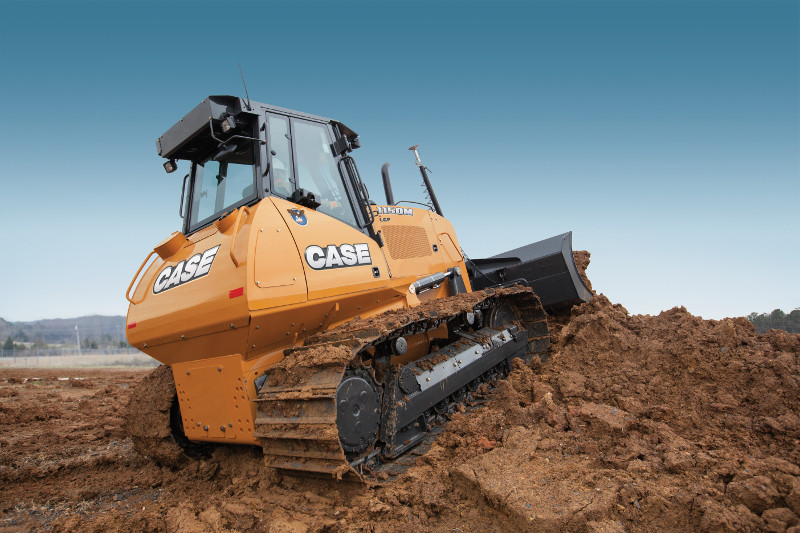
Two dozers listed in our rental lineup are the CASE 650M and 850M. Both are crawler dozers, but the 850M is the larger machine.
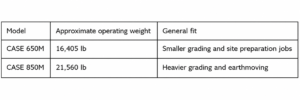
Weights are from Eagle Power & Equipment’s published rental reference sheet and may vary by configuration. Confirm the specifications of the actual machine before planning transport or work.
The 650M may be easier to position on smaller sites. The 850M offers a larger platform for heavier work, but the required blade setup and site conditions still need to be considered.
If you’re considering a purchase, we’re a construction equipment dealer offering CASE dozers and other machines for different jobsite needs.
How does blade size affect dozer performance?
A dozer blade determines how much material the machine can push in a pass. A wider or higher-capacity blade can move more loose material, but the machine needs enough power and traction to use it effectively.
Straight, angle and six-way blades
Different blade designs suit different tasks:
- Straight blade: Commonly used for pushing and rough grading.
- Angle blade: Moves material toward one side while the machine travels.
- Six-way blade: Can be raised, lowered, angled and tilted for grading control.
Available blade types depend on the dozer model and configuration. For finish grading, blade control and operator visibility may matter more than choosing the largest blade.
What ground conditions affect dozer selection?
Soft or wet soil
A crawler dozer spreads its weight across its tracks, but it can still sink or leave deep ruts. Check ground pressure and whether the soil can support the machine. Wider tracks may help in certain conditions, but they don’t make unstable ground safe.
Slopes and uneven ground
Slope limits depend on the machine, ground conditions and operating direction. Follow the manufacturer’s guidance. Don’t assume a larger dozer is automatically safer on steep terrain.
Restricted working space
A dozer needs room to turn, push material and operate without getting too close to excavations or structures.
Measure the access route and working area before selecting a model. Include blade width, not just the machine’s track width.
When is a compact dozer loader a better fit?
A conventional crawler dozer makes sense when pushing and grading are the main tasks. If your crew also needs to load material or use attachments, a compact dozer loader may offer more flexibility.
Our existing article on the CASE Minotaur DL550 explains its dozing and loading features. That guide is useful when comparing a compact multi-purpose machine with a dedicated crawler dozer.
What should you check before choosing a dozer?
Before selecting equipment, confirm:
- Material: What type of soil or debris will the machine move?
- Workload: How much material needs to be pushed, and over what distance?
- Site access: Can the machine and blade reach the work area?
- Ground conditions: Can the surface safely support the equipment?
- Transport: Can your trailer and towing setup handle the machine’s actual weight?
These details help you choose a dozer that can complete the work without creating access or transport problems.
Should you rent a dozer for your project?
Renting may be suitable when a dozer is needed for one phase of construction rather than regular fleet work.
Our heavy equipment rentals include the CASE 650M and 850M in the published lineup. Contact us to confirm current availability and configurations.
For a broader discussion of rental decisions, read our existing article on when heavy equipment rental makes sense.
Compare dozer options with Eagle Power & Equipment
At Eagle Power & Equipment, we help contractors compare dozers based on grading requirements, ground conditions and available working space.
Tell us about the material you’re moving and the size of your site. We’ll help you review suitable equipment options. Contact our team to discuss dozer availability or purchase options.
FAQs
Is a bigger dozer always faster?
No. A larger dozer may move more material per pass, but restricted access, short push distances or soft ground can limit its advantage.
Can you use a dozer for finishing grading?
Yes, when the machine has suitable blade controls and the operator can achieve the required grade. The job’s accuracy requirements and surface conditions determine whether additional grading equipment is needed.