Blog
Why Are More Contractors Renting Equipment Instead of Owning Every Machine?
August 29, 2026Buying a machine and then watching it sit in the yard for three weeks between jobs is a specific kind of pain. That’s the calculation pushing more contractors toward rentals: renting heavy equipment keeps cash free for the work actually happening instead of parked in a piece of steel between projects. It also gives crews room to respond to a slow month, a rush order, or a job that suddenly calls for a machine nobody currently owns.
So what are the benefits of renting heavy equipment, exactly? Short version: you get the machine you need, when you need it, without turning it into a permanent line item on the books.
Why are contractors choosing rentals over ownership?
Because most jobs don’t need every machine every day. One project calls for a mini excavator, the next needs a roller, a third only needs a bigger excavator for a two-week excavation phase. Buy all three and two of them sit idle most of the year.
Renting lets a contractor build a fleet around the work in front of them instead of guessing at everything that might come up later. At Eagle Power & Equipment, Inc., rentals run daily, weekly, or monthly, so the equipment schedule can actually match the project schedule rather than the other way around.
What are the benefits of renting heavy equipment for cash flow?
Mainly, you skip the large upfront hit. Instead of sinking capital into a machine that might not earn its keep every single week, a contractor pays for it during the stretch it’s actually working.
That said, the real math depends on rental rates, how much the machine gets used, and what ownership would have cost over the same period. Worth running the numbers either way before deciding.
Can renting get contractors into more specialized machines?
It can, and this is one of the more underrated benefits of renting heavy equipment. A trench roller, a specific excavator attachment, a bigger dozer, these aren’t always worth owning outright, but a project might need one for a week or two.
Our rental inventory covers excavators, mini excavators, dozers, loader backhoes, rollers, skid steers, track loaders, trench rollers, wheel loaders, and attachments. That range matters because it means contractors can pick equipment to fit the task instead of working around whatever’s already sitting in the yard.
What are the benefits of renting heavy equipment when the job changes mid-stream?
Flexibility is the main advantage. Weather changes, unexpected site conditions, or revised customer requirements can quickly alter a construction schedule. Renting heavy equipment makes it easier to respond without owning a machine that may no longer be needed.
Daily, weekly and monthly rental terms allow contractors to adjust equipment as project demands change. This approach can help control costs, avoid idle machinery, and keep crews equipped with the right machines throughout each stage of the job without committing to long-term ownership.
What can contractors actually rent, job by job?
- Excavators and mini excavators: digging, trenching, grading, site prep
- Skid steers and track loaders: material handling and attachment work
- Dozers: pushing, spreading, rough grading
- Rollers and trench rollers: compaction, soil or asphalt
- Loader backhoes: jobs needing both digging and loading
- Wheel loaders: moving aggregate, soil, and other bulk material
- Attachments: augers, grapples, hammers, forks, for the specific task at hand
Eagle’s current inventory covers all of these categories, plus a solid range of attachments.
Is renting the better call for short-term jobs?
Usually, yes. Buying heavy equipment for a project that may only last a few weeks can tie up money in a machine you may rarely use again. Renting gives contractors access to the right equipment without the long-term costs of ownership, including storage, maintenance, and depreciation.
It also makes it easier to choose a machine based on each project’s needs. For short-term work, rental equipment can provide flexibility while allowing contractors to test different machines before deciding whether purchasing one makes sense.
Can renting help before a big purchase decision?
Yes. Renting heavy equipment gives contractors a chance to try a machine, on a real job before buying it. You can see how well it performs, how easy the controls are to use, whether the attachments work for your needs and whether the machine is the right size for your jobsite. A spec sheet can show features and capacity, but using the equipment firsthand gives you a better idea of how it will work for your crew.
At Eagle Power & Equipment, Inc., contractors can compare renting and buying based on their actual work and expected usage, rather than price alone.
When does buying actually make more sense?
When a machine’s going to see heavy, consistent use for years. High utilization spreads the ownership cost across enough projects that a purchase pencils out. Financing, depreciation, maintenance, storage, insurance, resale value, all of that factors in. Frequent, recurring use tends to favor buying; short-term or occasional need tends to favor renting heavy equipment instead.
The benefits of renting heavy equipment start to shrink the more consistently a machine gets used, at Dsome point, ownership just becomes the cheaper option.
How should a contractor actually decide?
Start by looking at how often you will use the machine. How many days will you need it? Will you need the same type of equipment again soon? Then compare the total cost of renting with the cost of buying, and maintaining the machine.
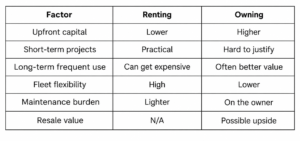
So, what are the benefits of renting heavy equipment? Flexibility is the main one. If your work changes from project to project or is seasonal, renting can make more sense. If you use the same machine regularly buying may offer better value.
Frequently asked questions
What are the benefits of renting heavy equipment?
Lower upfront cost, more flexibility, access to specialized machines and less long-term maintenance responsibility.
Is renting cheaper than buying?
For short-term or occasional use, often yes. Compare rental costs against ownership expenses, maintenance, storage, insurance, and depreciation before deciding.
How long can contractors rent equipment for?
It varies by machine and project. We offer daily, weekly and monthly options.
Should contractors rent specialized equipment?
Generally, yes, it gets you access to machines and attachments without the cost or storage headache of owning them outright.
Should a contractor rent before buying?
Worth doing when possible. A rental lets you test a machine on a real jobsite before committing to the purchase.
Related Articles
What Should You Know Before Renting Construction Equipment for a Job?
New vs. Used Heavy Equipment: What’s Most Cost-Effective in 2025?
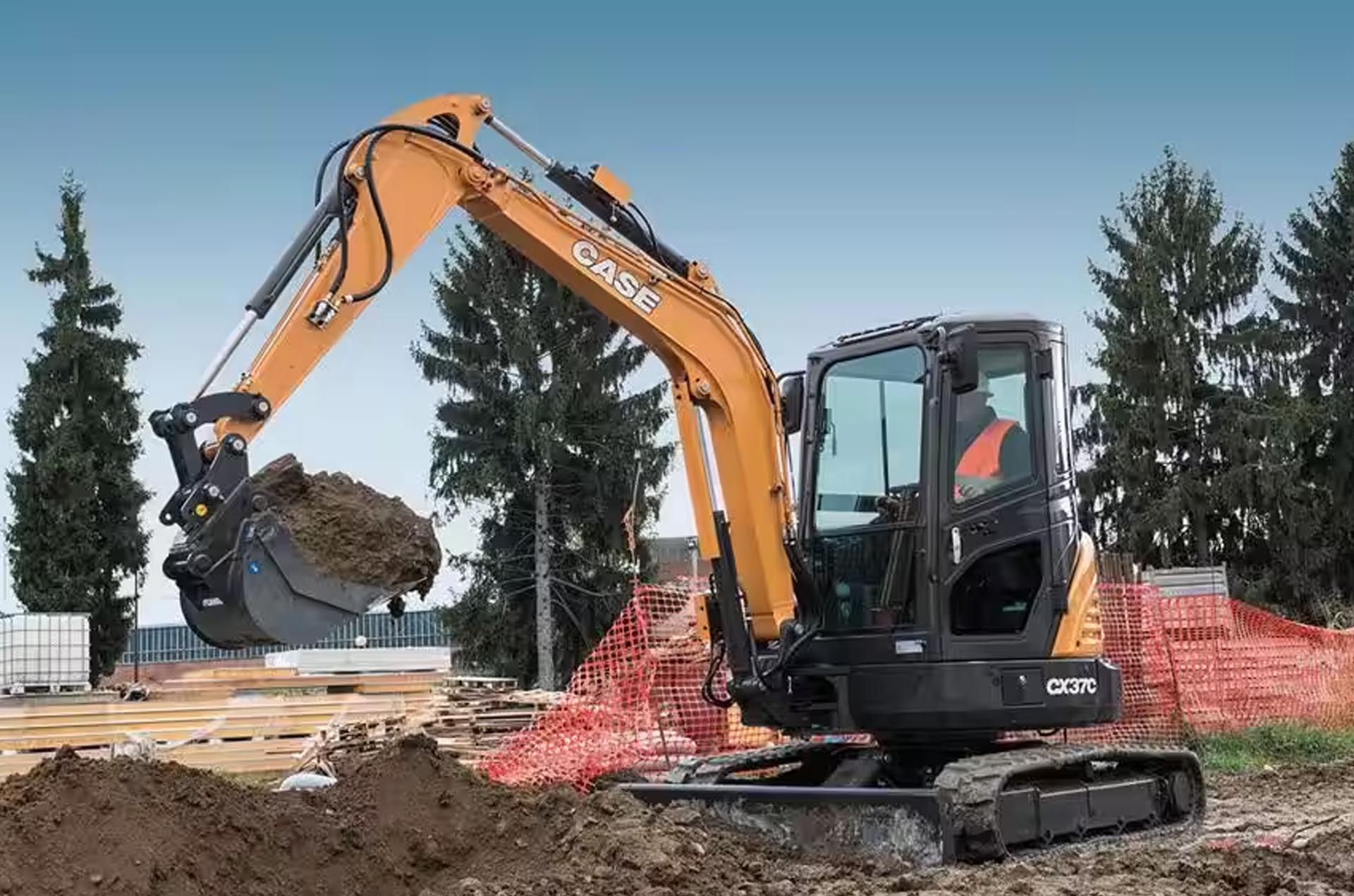
How To Choose the Right Mini Excavator

How to Choose a Skid Steer: What You Need To Know
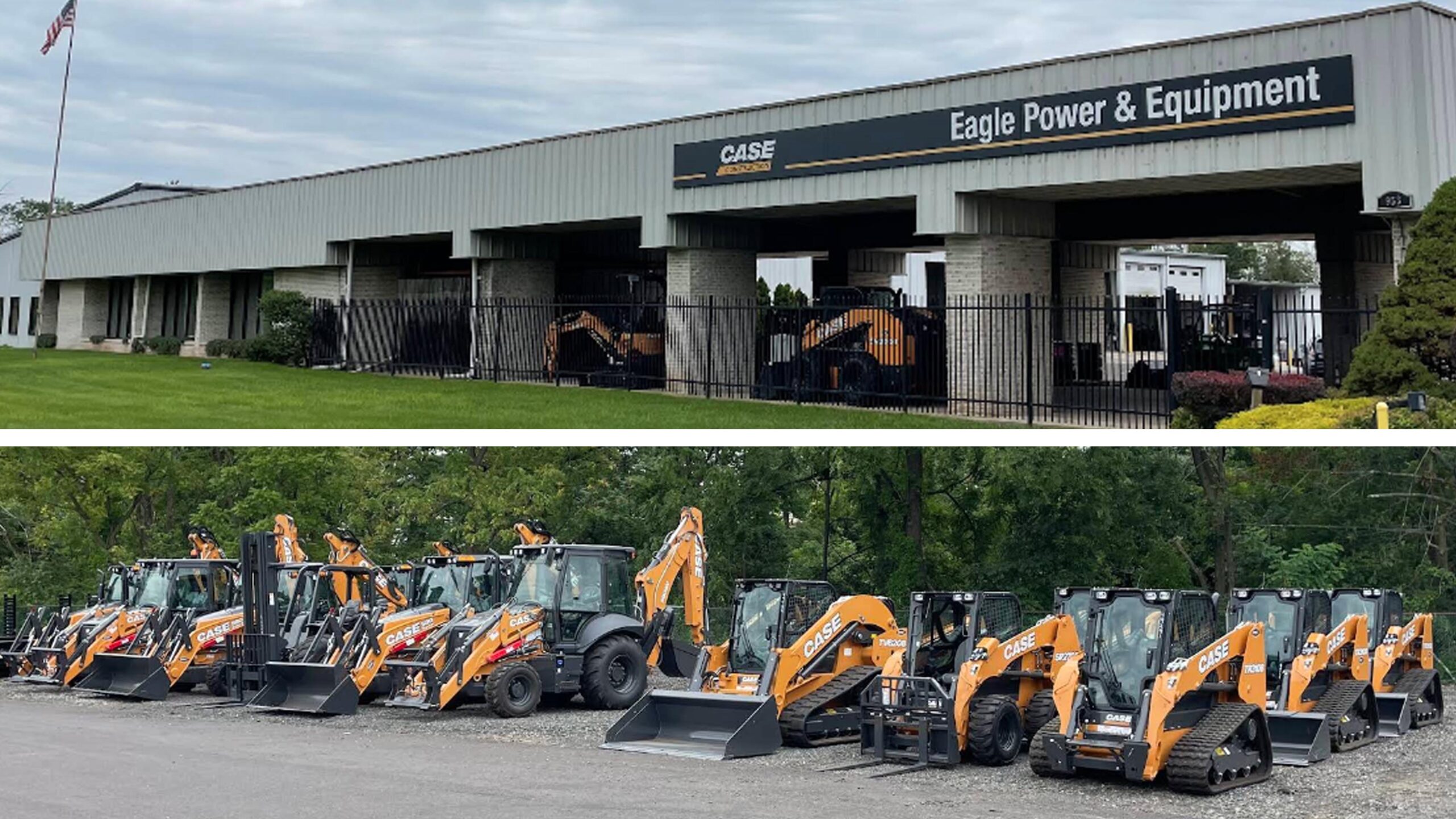
Why the Right Equipment Dealer is Key to Your Construction Business Success
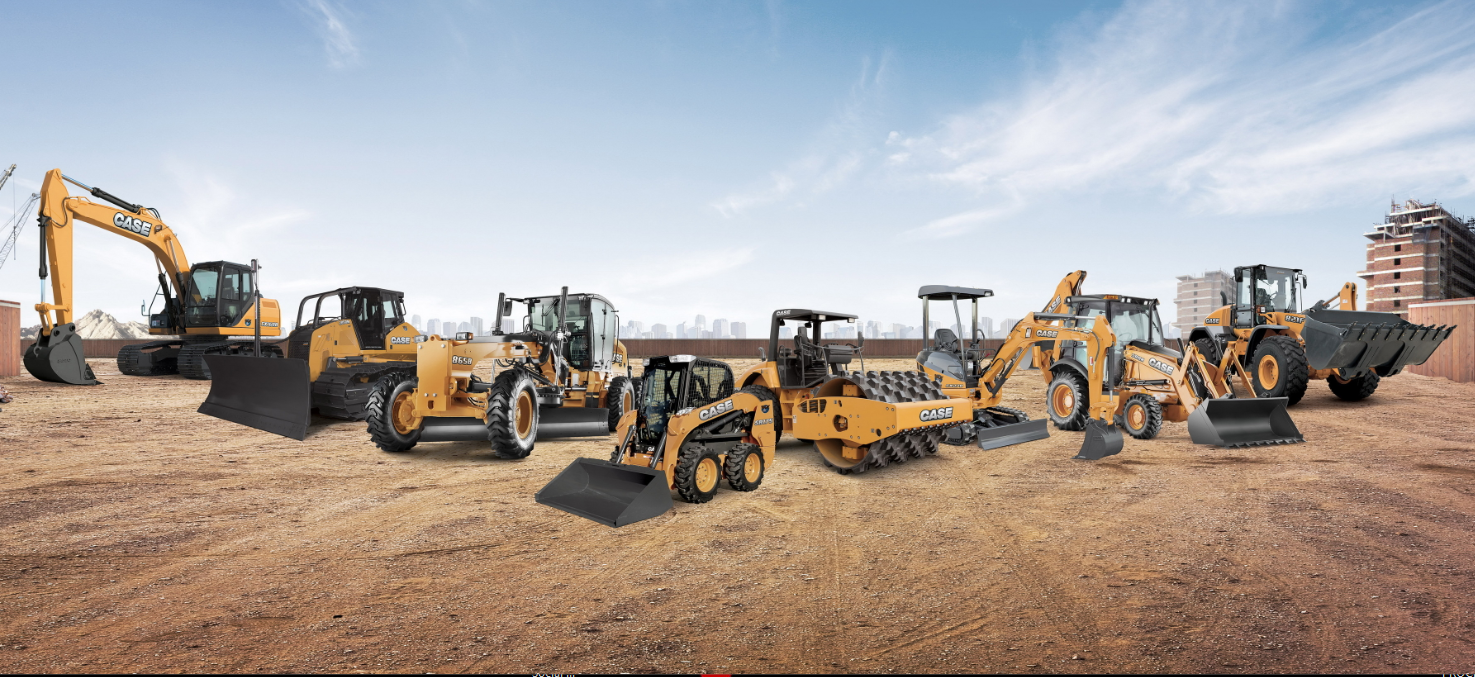
Rental Spotlight: CASE Brand Equipment from Eagle Power
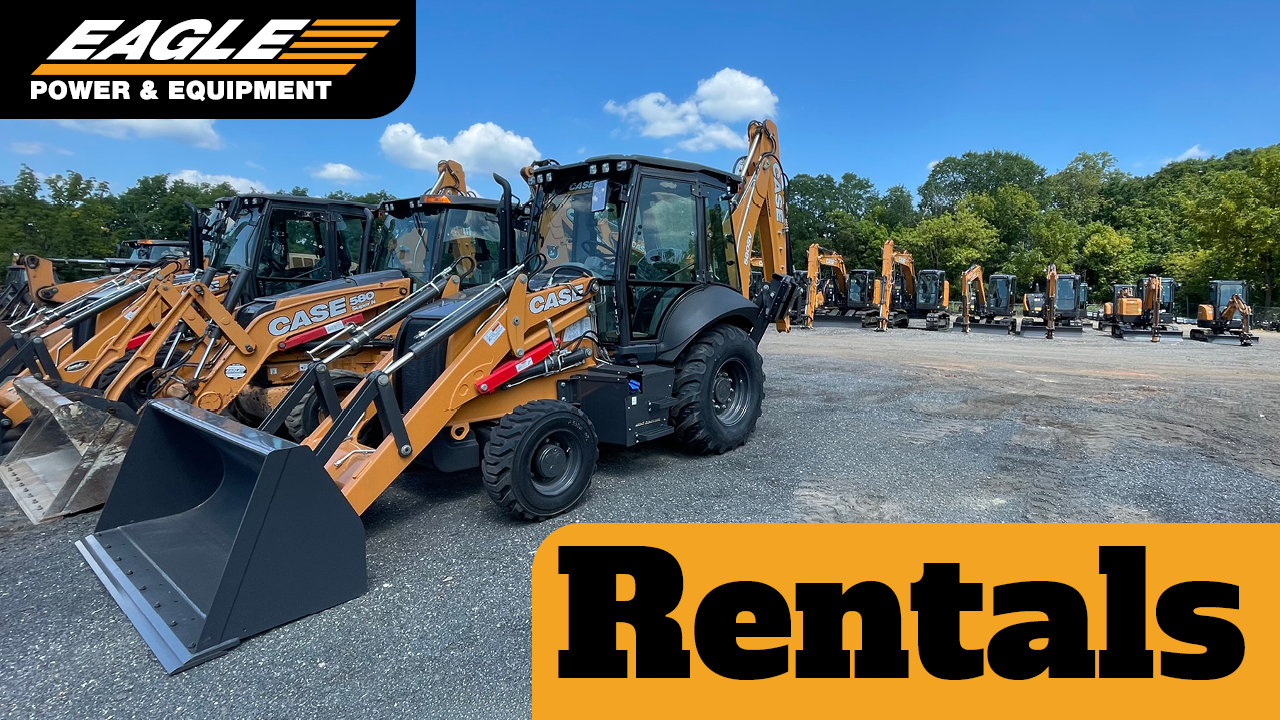
Renting Smart: When Heavy Equipment Rental Makes Sense
Rental Spotlight: Kubota Brand Equipment from Eagle Power
Want to Start Your Own Excavation Company? Tips for Contractors

